Love Sleep blog
Sleep Apnea FAQ: What Are the Most Common Signs?
Sleep apnea is easy to miss because its most obvious symptoms happen while you’re asleep. These are the ten signs that show up most often.
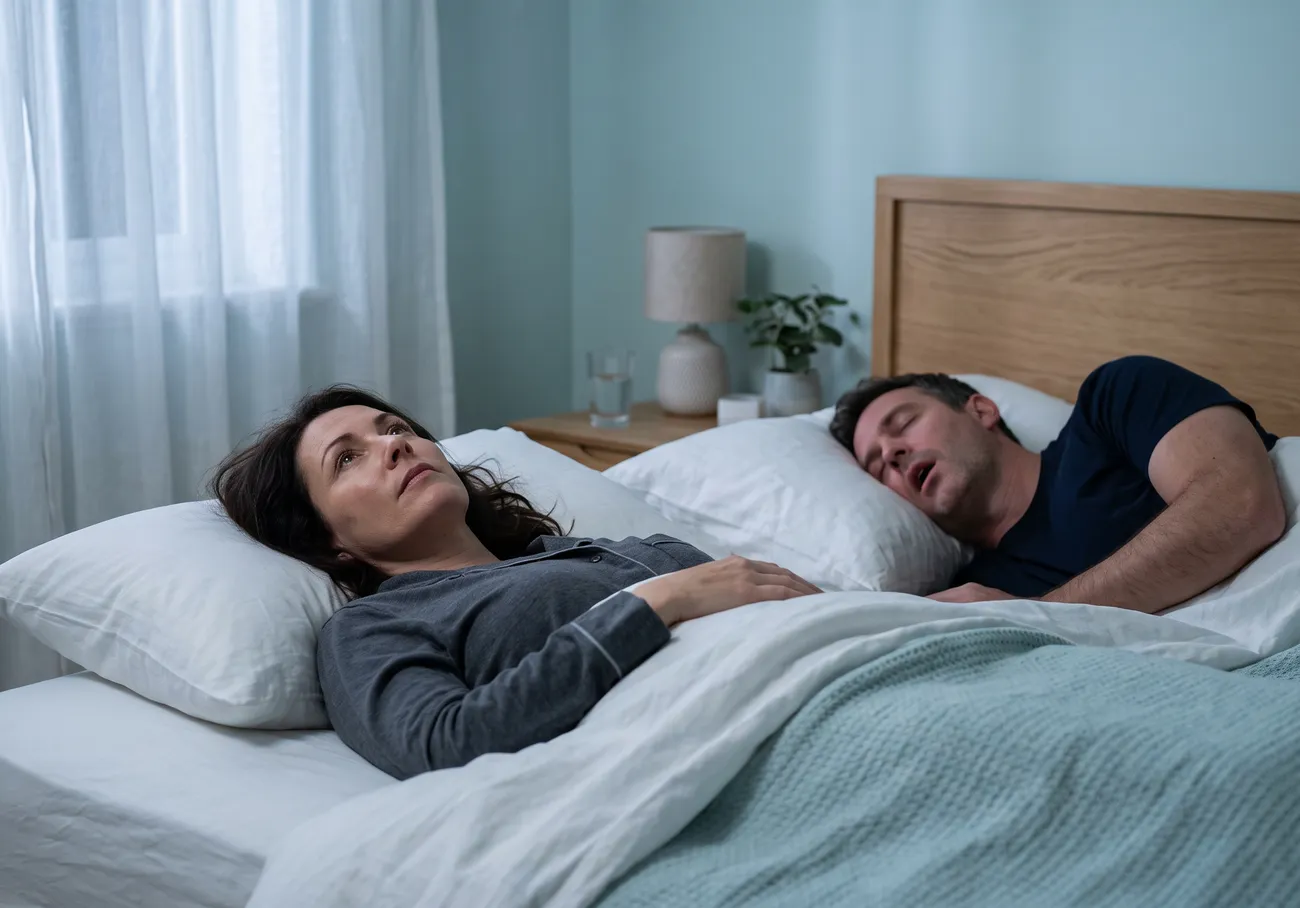
The 10 most common signs
1. Loud, chronic snoring
The most familiar sign. Not everyone who snores has sleep apnea, but most people with obstructive sleep apnea snore.
2. Witnessed pauses in breathing
A partner notices the snoring stop, a silence, then a snort or gasp as breathing restarts. This is one of the strongest signs.
3. Waking up exhausted, no matter how long you sleep
Each pause pulls you out of deep sleep. You may sleep eight hours and feel like you slept four.
4. Excessive daytime sleepiness
Dozing off while reading, watching TV, in meetings, or worst of all, while driving.
5. Morning headaches
Low oxygen and high carbon dioxide during the night can leave you with a headache that fades as the morning goes on.
6. Dry mouth or sore throat on waking
A sign you’ve been breathing through your mouth, often because the airway is narrowed.
7. Waking up to urinate
Getting up more than once a night to use the bathroom (nocturia) is linked to sleep apnea, because the strain on the heart triggers hormone changes that make more urine.
8. Trouble concentrating, memory lapses and mood changes
Broken sleep affects focus, memory, patience and mood.
9. High blood pressure, especially if it’s hard to control
Sleep apnea is a common cause of blood pressure that doesn’t come down with medication.
10. Acid reflux at night
The pressure changes from straining to breathe against a closed airway can pull stomach acid upward.
Quick reference
- At night: snoring, pauses, gasping or choking, restless sleep, getting up to urinate, reflux
- In the morning: headaches, dry mouth, waking unrefreshed
- During the day: sleepiness, poor focus, irritability, high blood pressure
Sleep apnea looks different in women
Women are more likely to notice insomnia, fatigue, morning headaches and low mood, and less likely to have loud snoring. Why sleep apnea is underdiagnosed in women.
You recognize some of these. What now?
- Take the two-minute sleep quiz to see your STOP-Bang score.
- Get a sleep test. A home sleep test is one night in your own bed, read by a sleep physician.
- Talk through treatment. For many people, a custom oral appliance is a comfortable alternative to CPAP.
In the Wichita area, Dr. Sheri Love at Love Sleep can order your test and walk you through the results. Request a consultation or call 316-440-9700.
Keep reading
More from the blog
Ready to sleep through the night?
Call the office or request a consultation online. If you haven’t had a sleep study yet, we can order a home sleep test for you.